


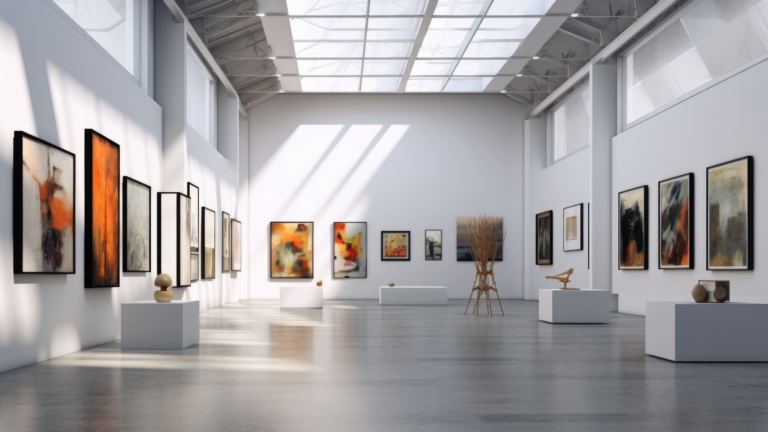
Arts and cultural nonprofits combine the governance exposure of any nonprofit with unique property risks — collections, fine art, theatrical equipment, historic buildings — and the event and audience liability of high-volume public programming. For additional guidance, explore our resource on collections insurance. A standard nonprofit package policy doesn’t address these specialized needs, and most commercial art market specialists don’t serve the institutional nonprofit market. Board members face personal liability exposure that nonprofit D&O insurance is specifically designed to cover.
Arts and cultural organizations hosting events with outside vendors should require vendor event insurance for planners and exhibitors from each exhibitor to transfer booth-level liability off the host. Businesses that serve alcohol face dram shop exposure — our liquor liability insurance guide covers what bars, restaurants, and event planners need. Event organizers should evaluate event cancellation insurance to protect against weather, vendor, and force majeure losses.
Organizations with permanent art installations or traveling exhibitions should review art insurance costs, coverage options, and digital artwork for coverage benchmarks specific to institutional collections.
Arts organizations budgeting for comprehensive coverage can reference how much nonprofit insurance costs in 2026 for current premium benchmarks by organization size and program type.
Key Takeaways
- Fine art and collections require specialized inland marine coverage — standard commercial property policies have severe sublimits for fine art that are inadequate for any meaningful collection.
- Traveling exhibitions and loaned works need wall-to-wall coverage that follows the work from its home institution through transit and display — standard policies don’t cover works in transit.
- Audience liability for performance venues is higher than typical nonprofit GL — ticket holder injuries, crowd management incidents, and alcohol service at events all create elevated exposure.
- Volunteers in exhibition and event roles create separate coverage needs distinct from standard workers’ comp.
Fine Art and Collections Insurance
The single most important coverage distinction for art museums, galleries, and collecting institutions is fine art inland marine insurance. Standard commercial property policies have fine art sublimits of $10,000–$100,000 — inadequate for even a modest institutional collection. Fine art inland marine policies cover collections at their agreed value (not replacement cost or market value — agreed value eliminates valuation disputes at claim time), cover works on loan from other institutions, and provide wall-to-wall coverage for works traveling to or from exhibitions. For businesses with mobile equipment or goods in transit, inland marine insurance fills the gap that standard property policies leave open.
Performing Arts: Cancellation and Business Interruption
Performing arts organizations depend on ticket revenue from scheduled performances. A technical failure, a key performer’s illness, or a venue emergency that forces cancellation represents concentrated revenue risk. Event cancellation insurance covers the financial loss from cancelled performances. Business interruption coverage (as part of commercial property) covers the ongoing organizational costs during a period when the venue is closed due to a covered property event. Both are relevant for theater companies, orchestras, dance companies, and similar organizations.
Watercraft owners need coverage beyond standard homeowners policies — our guide to watercraft insurance coverage details what boat and jet ski policies include. Learn more about homeowners coverage basics. For more details, see our guide on homeowners dock protection.
Tenants often underestimate what they stand to lose — our guide to the benefits of renters insurance covers what the policy protects. For more details, see our guide on renters insurance theft coverage.
Liability extends beyond business operations — our guide to personal liability insurance explains individual coverage options.
Liability for Public-Facing Institutions
Museums, galleries, and performance venues with regular public audiences have higher GL claims frequency than most nonprofits because of sheer visitor volume. Slip-and-fall incidents, security incidents, crowd management issues, and alcohol-related incidents (from fundraising events and performance-night bars) all generate claims. GL limits for major public-facing institutions should be $2M/$4M minimum, with umbrella coverage extending to $5M–$10M for larger operations.
For a broader look at how these coverage considerations fit into a complete risk program, our guide on complete nonprofit insurance guide covers the full picture for organizations at this scale.
Frequently Asked Questions
How do museums insure loaned artworks?+
Loaned works require wall-to-wall fine art coverage — coverage that attaches at the moment the work leaves the lending institution, covers it during transit, and continues through the exhibition period until it returns. Most major lending institutions require borrowers to provide proof of wall-to-wall fine art coverage before approving a loan. The borrowing institution’s fine art policy needs to specifically address borrowed works and confirm the coverage territory, transit modes covered, and any exclusions for specific perils like earthquake or flood.
Does a small gallery need the same coverage as a large museum?+
The coverage types are similar — fine art, GL, D&O, event coverage — but the scale is very different. A small gallery showing emerging artists with works valued at $5,000–$50,000 each needs fine art coverage but at much lower limits and cost than a major museum with a $500M collection. The structure of the program should be the same; the limits and premium will scale to the actual asset values and visitor volume. A small gallery’s total insurance program might cost $5,000–$12,000/year; a mid-size museum might spend $50,000–$150,000+.
Arts and Cultural Organization Insurance
We build insurance programs for museums, galleries, theaters, and performing arts organizations — including fine art inland marine, event cancellation, and public liability programs designed for arts institutions.
Request an Arts Organization Review