


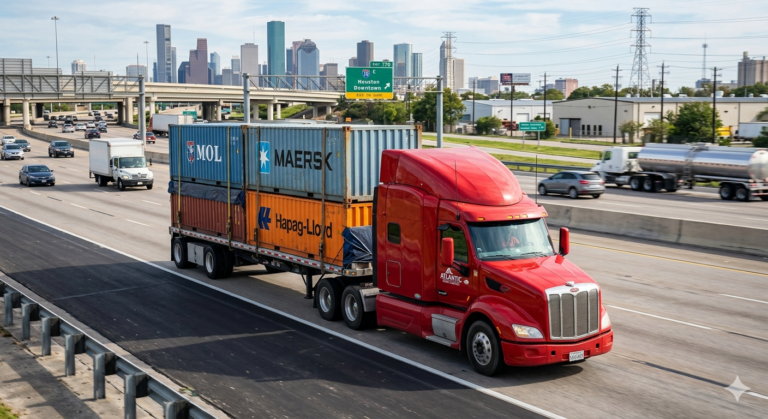
Motor truck cargo insurance is the line that protects the freight you’re hauling — not your truck, not your liability to third parties, but the actual goods in your trailer. It’s also one of the most commonly misunderstood coverage lines in commercial trucking. Carriers frequently discover their cargo policy doesn’t cover their actual loads only after a significant loss reveals an exclusion they didn’t know existed. Houston commercial insurance-based logistics companies should review our freight broker insurance guide for Texas-specific licensing and coverage requirements.
Key Takeaways: Motor Truck Cargo Insurance
- Cargo is NOT covered by primary liability: Your commercial auto liability covers bodily injury and property damage to third parties — it does not cover the freight in your trailer under any circumstances
- Limits must match maximum load value: A $100,000 cargo policy is worthless if your average load is worth $250,000. Review load values before setting limits.
- Exclusions are where policies fail: Refrigeration breakdown, electronics, pharmaceuticals, jewelry, and certain hazmat classifications are commonly excluded — often without clear disclosure
- Annual cost range: $1,500–$5,000 per truck depending on cargo type, limit, and claims history
- Freight brokers need contingent cargo: A broker’s legal liability for cargo damage is different from a carrier’s — contingent cargo covers the broker’s exposure when the carrier’s policy doesn’t respond
What Motor Truck Cargo Insurance Covers
Cargo insurance covers physical loss or damage to the freight while in your care, custody, and control — from the time you accept the load through delivery. Standard covered perils include accident and collision damage, theft, fire, and loading/unloading damage. The policy pays the shipper’s or consignee’s claim for the value of the damaged or lost freight.
Coverage triggers and exclusions vary by policy form. The most common exclusions that catch carriers off-guard:
- Refrigeration breakdown: Most standard cargo policies exclude spoilage from mechanical refrigeration failure. The cargo froze because the reefer unit broke — that’s typically excluded. You need a specific temperature-controlled cargo endorsement or a specialty policy for refrigerated freight.
- Electronics and high-value commodities: Many policies cap coverage on electronics, pharmaceuticals, tobacco, alcohol, and jewelry regardless of stated limits. A $200,000 cargo limit may only apply $50,000 to electronics under a sublimit.
- Unattended vehicle: Theft from an unattended or unsecured vehicle may be excluded or sublimited. Know your policy’s overnight parking and security requirements.
- Acts of God: Some policies exclude flood, earthquake, and wind damage — particularly relevant for Gulf Coast operations during hurricane season.
Setting the Right Cargo Limits
The most common cargo insurance mistake is setting limits based on average load values rather than maximum. You’re not insuring your average haul — you’re protecting against the worst-case load. A carrier running general freight might average $40,000 per load but occasionally haul $180,000 loads. Setting limits at $75,000 leaves that high-value load underinsured by $105,000. Our business liability checklist identifies the coverage gaps mid-market companies miss most often.
Review your freight bills or bills of lading for the past 12 months and identify your maximum load value. Set your cargo limit at or above that number. If your business is growing, factor projected load values into the limit decision — adjusting limits mid-term typically triggers a pro-rated additional premium.
Tenants often underestimate what they stand to lose — our guide to the benefits of renters insurance covers what the policy protects. For more details, see our guide on renters policy theft protection.
Liability extends beyond business operations — our guide to personal liability insurance explains individual coverage options. Learn more about personal umbrella policy options.
Freight Broker Contingent Cargo
Freight brokers don’t haul freight themselves — they arrange transportation by connecting shippers with carriers. Brokers have a different but real cargo liability exposure: when a carrier they’ve booked fails to pay a cargo claim (carrier is underinsured, goes bankrupt, or denies the claim), the shipper often pursues the broker. Contingent cargo insurance covers the broker’s liability in those scenarios — it responds when the carrier’s primary cargo policy doesn’t.
Brokers without contingent cargo insurance are personally exposed to cargo claims that run through their arrangements. Most shippers and shipper contracts require brokers to carry contingent cargo. Standard limits are $100,000–$250,000; limits should match the highest-value loads you regularly broker.
Frequently Asked Questions: Motor Truck Cargo
Does cargo insurance cover refrigerated loads that spoil?+
Only with a specific temperature-controlled cargo endorsement or specialty reefer policy. Standard motor truck cargo policies typically exclude refrigeration mechanical breakdown. If the reefer unit fails and your load of produce spoils, a standard cargo policy won’t pay. Temperature-controlled cargo coverage adds $800–$2,500 per truck annually depending on the average load value and commodity type. For any carrier regularly hauling refrigerated freight, this endorsement is essential — confirming its absence after a major spoilage loss is too late.
How much cargo insurance does a carrier need?+
Limits should cover your maximum single-load value, not your average. Review your freight bills for the past year and identify your highest-value load. Set limits at or above that figure. Most general freight carriers carry $100,000–$250,000. Carriers hauling electronics, pharmaceuticals, or high-value manufactured goods may need $500,000 or more. Shippers and brokers may specify minimum cargo requirements in their contracts — review these before accepting loads.
What is contingent cargo insurance for freight brokers?+
Contingent cargo covers a freight broker’s liability when the carrier’s primary cargo policy fails to respond to a claim — because the carrier was underinsured, went out of business, or denied the claim. Shippers who used the broker to arrange the shipment may pursue the broker for recovery. Contingent cargo responds in those situations. It’s typically $100,000–$250,000 in limits and costs $1,500–$4,000 annually. Most shipper contracts require brokers to carry it, and the exposure is real: carrier cargo claim denials are not uncommon.
For related coverage, explore our resources on providers does geico offer gap insurance and coverage exclusions when does gap insurance not. Many drivers with comprehensive policies still wonder whether they need additional protection — our guide on gap insurance with full coverage breaks down when it still applies. For a foundational overview, our complete guide to gap insurance covers what it is, how it works, and who needs it.
Disclaimer: Coverage terms vary by policy. Consult with licensed insurance advisors for guidance specific to your cargo type and operation.
Commercial Truck Insurance Resource Library
Complete coverage guides for every trucking insurance line:
- Commercial Dump Truck Insurance: What It Costs in 2026
- Commercial Truck Insurance: Complete Coverage Guide for Fleet Operators
- Box Truck Insurance: What Owner-Operators and Small Fleets Pay
- Semi Truck Insurance: What Large Fleet Operators Pay
- Trucking General Liability Insurance
- Physical Damage Coverage for Commercial Trucks
- Non-Trucking Liability: Bobtail Coverage for Owner-Operators
- Houston Commercial Truck Insurance: Port and Freeway Risk
- Commercial Auto vs. Personal Auto Insurance
- Cargo Insurance: What Freight Brokers and Carriers Need
Cargo Insurance for Carriers and Brokers
Our licensed advisors structure cargo programs that match your actual freight profile — including reefer breakdown, high-value commodity endorsements, and broker contingent cargo. Houston: 713.324.7680
Request a Cargo Insurance Review